YELP you barking mad 16C proto @UN cartographers and old commonly tree-biting Wealth-of- imperial-powers people with Economic Geography degrees.
Yelp²

“On page a hundred and Twenty-five in your discussion you have a reference..”
“yes..”
“to Australia’s role in the Security Council of the.. United Nations.”
“Berkeley’s two gentlemen conversing in the garden” refers to the opening scene of George Berkeley’s Three Dialogues Between Hylas and Philonous (1713)
This scene serves as the introduction to Berkeley’s philosophical arguments against materialism and in defense of idealism.
📲🐒🥸📲🐒🥸📲🐒🥸📲🐒🥸📲 🦍
STUDENTS
You must now actively and deliberately with no malice aforethought but to take every action in your personal micro gift and power to expunge and destroy internet malefactors seeking to futher enrich themselves by literally the capture of all human culture on behalf of their mentally deranged deracinated1 ideologically totalitarian megalomaniacal prescribed text and speech.
AI Search ⇶ a whizz, a toy, and useful to all writers – though screamingly not for audio-visual gogglebox cultural junk (video – any, all, I would write ‘off-the-cuff’.. “more” later as and if the deadly serious grown-ups’ conversation runs) and AI ‘Tell’ ≣ a 2029 global apocalypse on a popsicle stick (not Like, OK?).
John Blundell
Thematics Logic, Neurocognitive Health, 21st Century Education, 5th Stage Organised Collaborative Human (regional, national and international) Groups, the dead-end of Master-servant nonsensisation of economy, culture, the arts & history (& concerning his 1993 rhetorical riposte “The Dialectics of the Damned”
🦘🌏
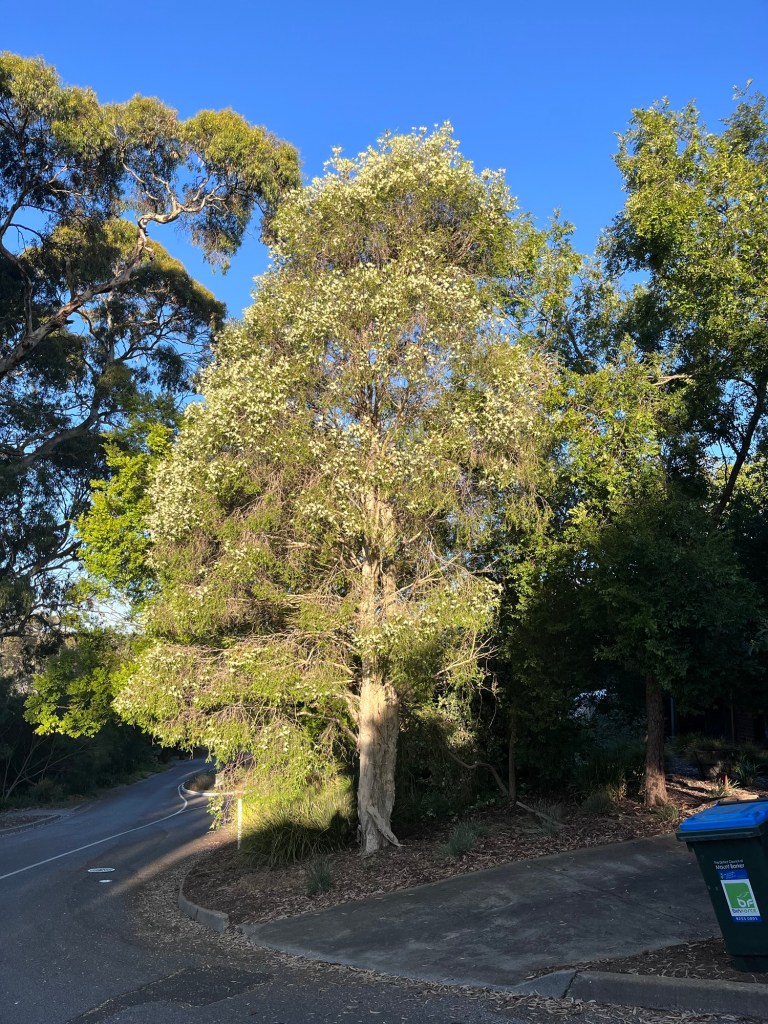
11590s, “to pluck up by the roots,” from French déraciner, from Old French desraciner “uproot, dig out, pull up by the roots,” from des- (see dis-) + racine “root,” from Late Latin radicina, diminutive of Latin radix “root” (from PIE root *wrād- “branch, root”). Related: Deracinated.
1ᴬThe French past participle, déraciné, literally “uprooted,” was used in English from 1921 in a sense of “uprooted from one’s national or social environment.”
 Billionaire-🙈🙊🙉🐒s with Olivettis