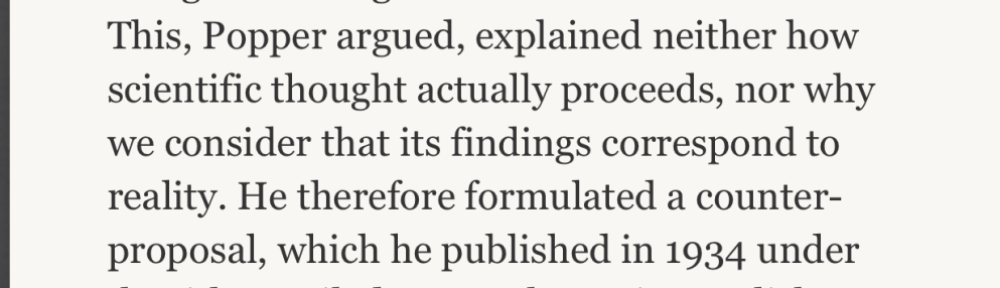
In a discussion with Kate Raworth and the friends of Donut Economy the question arose as to “1950 textbooks” (Samuelson’s and others right up to R Lipsey & S Holland & into this century, you would say, representing the whole competitive comparative-advantage extractive-exploitative foreign investment & dysregulated (“free” for capital-movers & owners, radically less so for everyone else and utterly catastrophic for global ecological health = liveable habitat for humans, other animals, birds, fish, phytoplankton, insects, mycorrhizae & all microbial life-forms) global economics OR 1850s textbooks.
So I delivered a firm but fair reminder of Smith’s original formulation of ‘executive washroom leaky plumbing’ trickle down to the toilers-at-screens on the floor below who would indeed be blessed with “opulence” for their good works, he wrote in 1776..
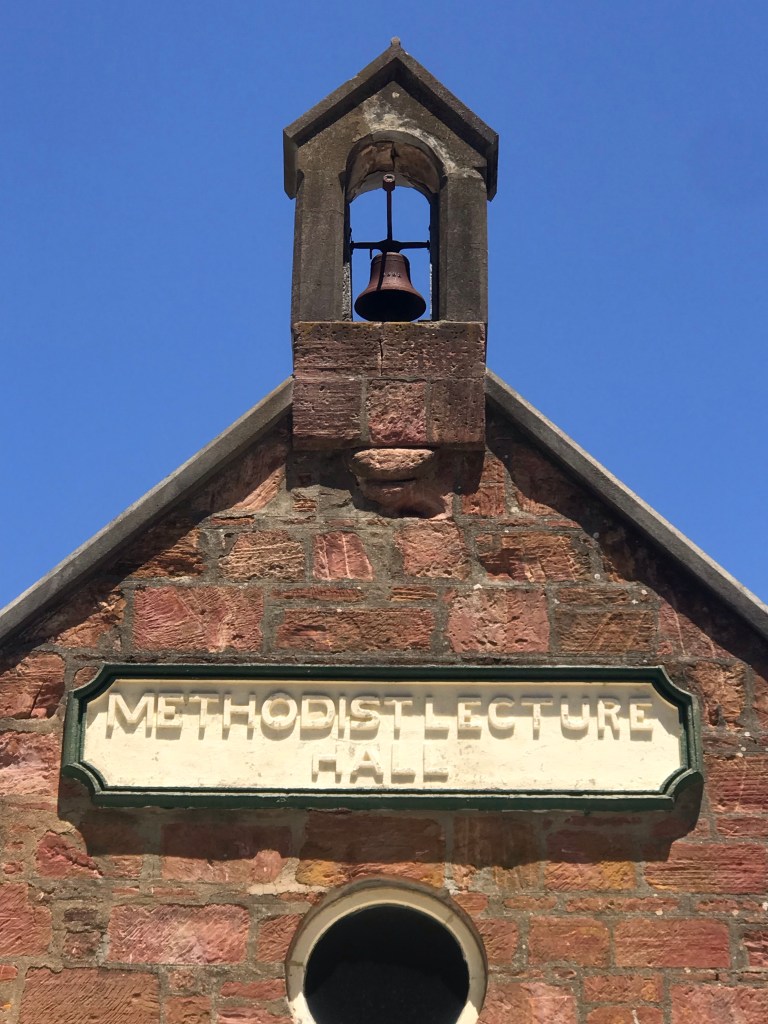
Then today, I was reminded by this lecture hall (pic) of my maternal grandfather as a young man at the time of the foundation of the South Australian Labour Party, its executive apparently all bearded besuited Cornish Methodist men from ‘The Burra’ and Moonta Mines*, of Workers’ Institutes & community libraries, of the foment of scholarship and industrial workers’ education across the country principally and pivotally on economy – what it is, how it works and above all other considerations how working men must strive against the contempt for them of bosses… imagining again as I have several times earlier, reading his books (I have two – there were several epochal tides-of-history others stolen, like ACV Dicey’s The Law & the Constitution, when I suffered a fraudulent family bankruptcy scam in 1998) how understandings of economy re-shaped and nearly upturned the geopolitical world through THOSE Noughties, ‘teens, 20’s and, gulp, Thirties.
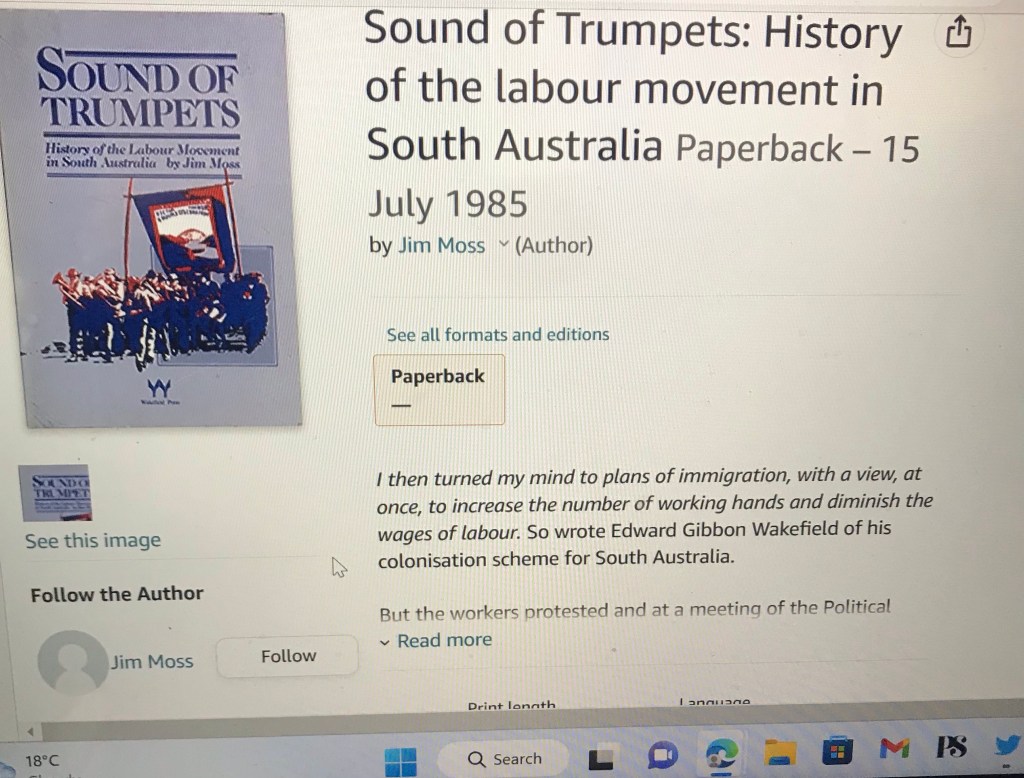
Please note in the summary of Jim Moss’s book how the very foundation of South Australia as a British colony was explicitly conceived by its greatly celebrated proposer Edward Gibbon Wakefield as “increas[ing] the number of working hands and diminish[ing] the wages of labour,” this sharply distinct from the line now five generations of South Australian schoolkids have been fed that the state was “the only one..” (tah-rah, there’s that Biblical sound of trumpets for us again) not dependent on British convict labour for its new roads, bridges & buildings.
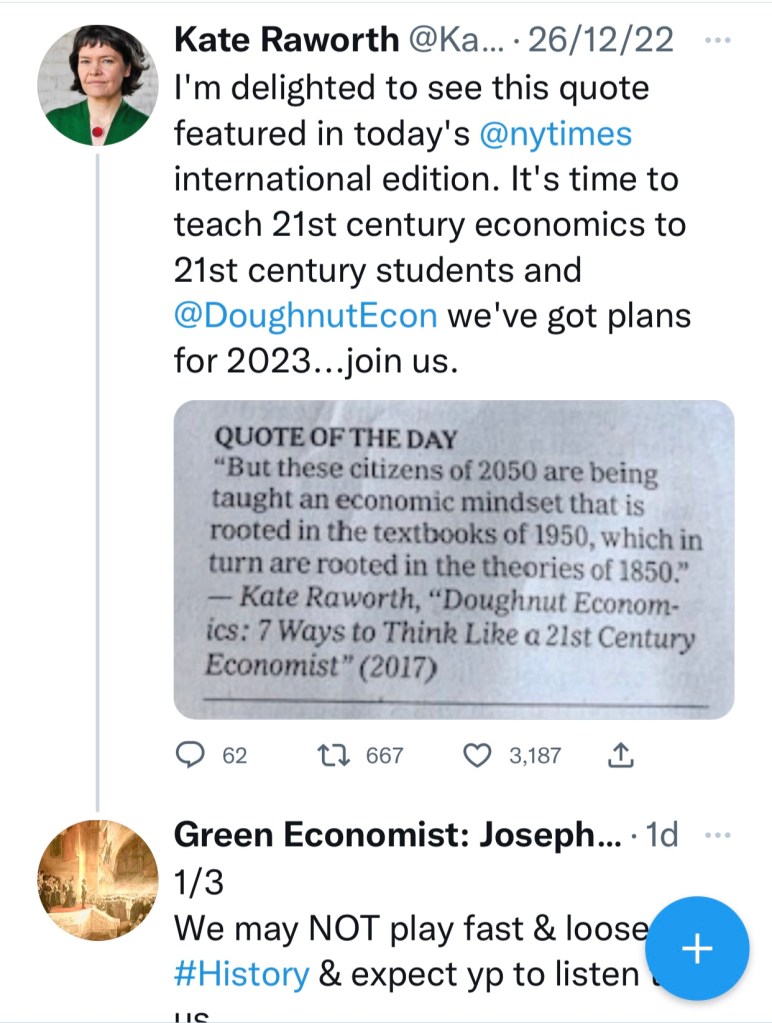
So to return to topic – ‘textbooks of the 1950s rooted in the theories of the 1850s..”

So here’s Mr and Mrs Marshall’s sortie – beginning 1879 with “Economics of Industry.”
Grandpa Alexander Charles Lancaster Sanders’ “Industry” was the 1908 edition I think. “Principles” first out in 1890, was republished frequently. They were certainly used all over Australia in the 1890’s – 1914 period, and then on into the post WWII 1950s, when we were all swept up in the Marshall Plan Lend Lease IMF World Bank Paul Samuelson era… and on into the destructive orgiastic supply- side & business profiteering global frenzy we find ourselves muddling and fooling about with well into the third decade of the 21st century.
If we get our historical dates & links up to scratch then we will not slip back to slogans, throwaway lines, the solecisms and outrageous neofascist lies of the global newsmedia dumbdown, patronising infantilising ABC committee on spoken English absurdities like ‘scramble-ing,” maliciously confusing obfuscatory Gruaniad\ Guardian neologisms of acronyms (cop that you vacuous economically-irrelevant leafy-suburb Gen Y hipsters), the spasms, outbursts or indeed masculinist spurtings of late-adolescent revolutionary or Mom’s Basement fervour, or indeed any 1890s Oxford Union English ruling class Kenneth Graham, Lady Ottolene Morrell, Matthew Arnold “Culture & Anarchy” City of London tosh..
Occasional ringing phrases, biting metaphors and rhetorical flourishes are of course welcome. Just imagine you’re doing a sermon or your weekly segment at radio station 5DN in Tynte St, North Adelaide, whee-hoo.
Cool 😎
John, South Australia 🇦🇺
- ” Sound of Trumpets: History of the labour movement in South Australia,” Jim Moss 1985
 Billionaire-🙈🙊🙉🐒s with Olivettis